




By Hamdan Al Jahdhami
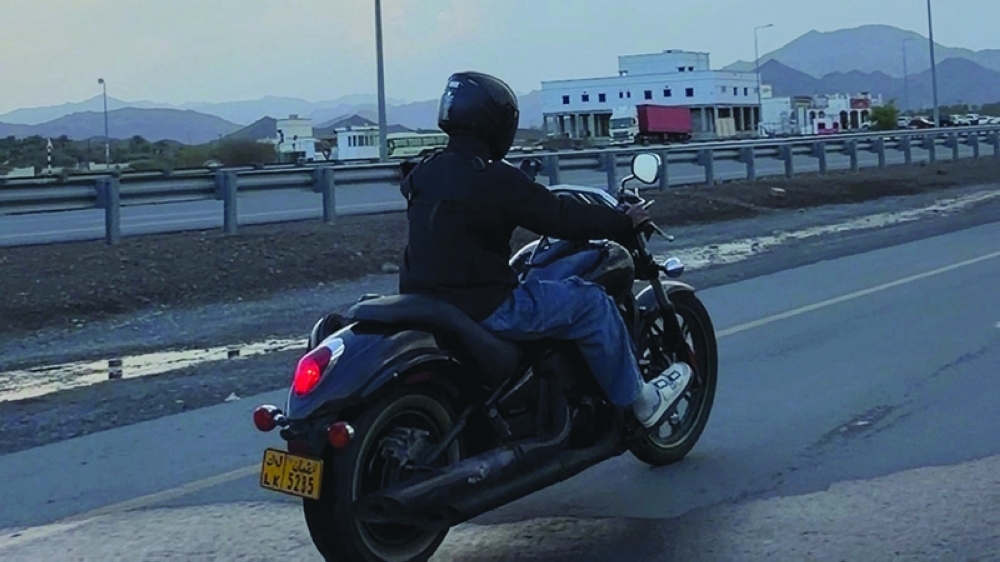
For some, a long journey means spending hours behind the wheel, counting the kilometres until reaching the destination. For bikers, however, the road itself is part of the destination.
The sound of the engine, changing scenery and the open road create an experience that is difficult to describe to anyone who has never travelled on two wheels. For many riders, a short ride around Muscat is enough to clear the mind, while others prefer longer routes across Oman.
For one biker from Barka, favourite destinations include Dima and Al Tayyin in Al Sharqiyah, as well as Sohar, Al Qurum and Muttrah. A typical long ride may begin in Barka, continue towards Dima and Al Tayyin, and return to Barka on the same day.
The attraction of long-distance riding is also visible on social media. Social media activist Mohammed Al Nasri, known as Abu Al Reesh, recently shared an Instagram reel documenting his journey to Salalah during the Khareef season, highlighting the appeal of experiencing Oman’s long roads on two wheels.
The journey to Salalah requires preparation, patience and awareness of changing road and weather conditions. During Khareef, fog, rain and reduced visibility can create additional challenges, making responsible riding particularly important.
Preparation Before the Journey
A long motorcycle journey should never begin simply by starting the engine and heading out. Riders should check their tyres, brakes, lights, indicators, chain and essential fluids before departure. Fuel levels should also be checked, with fuel stations and rest stops considered when planning the route.
The rider’s equipment is equally important. A properly fitted helmet, protective gloves, riding jacket, suitable trousers and appropriate footwear can provide important protection. For longer journeys, carrying drinking water, basic first-aid supplies, a fully charged phone, identification and essential personal items is also useful.
Weather conditions should be checked before departure, as rain, fog and strong winds can quickly make a familiar route more difficult.
Most importantly, a long journey should never be treated as a race. The objective is to arrive safely, not to reach the destination as quickly as possible.
The Strength of Riding Together
Group riding can make long journeys more enjoyable, but it requires discipline and communication. Before setting off, riders should agree on the route, meeting points, fuel stops and what to do if someone becomes separated.
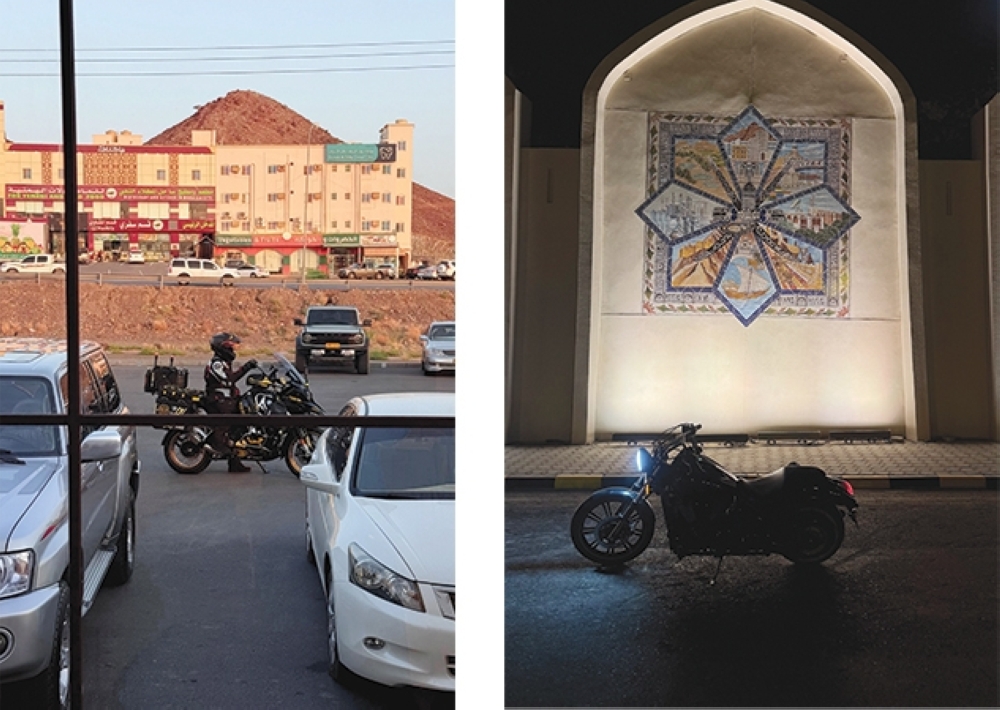
A group should ideally have a designated ride leader and a sweeper, or rear rider, who remains at the back. The leader manages the route and pace, while the rear rider helps ensure that no one is left behind.
Hand signals are another important part of group riding. Since motorcycles are noisy, groups often agree on signals before starting. For example, some riders use two taps on the top of the helmet to indicate that police or a checkpoint is ahead. Other signals may indicate slowing down, increasing speed when safe, stopping, pulling over or changing direction.
The exact gestures may differ between groups, but the important point is that every rider understands them.
The Road Is Not a Competition
Long-distance riding can test concentration and endurance. Fatigue can affect reaction time and judgement, making regular breaks essential, especially on journeys covering several hundred kilometres.
A rider travelling from Barka to Al Sharqiyah and returning on the same day needs to manage energy as carefully as fuel. The same applies to riders heading towards Salalah, where the long distance and increased traffic during Khareef require extra caution.
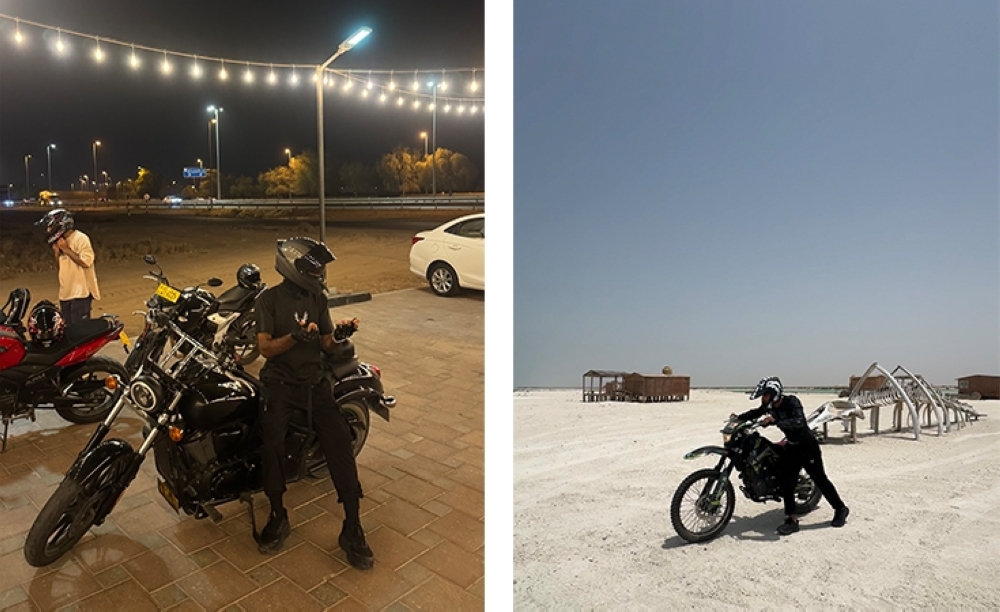
Motorcyclists should also remember that other road users may not always anticipate their movements. Staying visible, maintaining a safe position and avoiding unnecessary manoeuvres are important parts of responsible riding.
For many bikers, the motorcycle is more than transportation. It is a way to discover Oman, meet people and build friendships. Experienced riders can also help newcomers learn about preparation, route planning, group discipline and road awareness.
Oman offers a remarkable variety of roads and landscapes, from the coast and mountains to the desert and the green scenery of Dhofar during Khareef.
For bikers, every route can become a new story. The best journey is not necessarily the fastest or the longest. It is the one where the engine is switched off at the end of the day, the helmet comes off, and the rider can say: the road was long, but it was worth every kilometre.
Oman Observer is now on the WhatsApp channel. Click here